I’ve noticed a trend lately among book influencers who are complaining about tropes. Maybe I’m overly sensitive here, but I always take this as code to complain about romance (romances are usually their examples). As if romance is the only genre that uses tropes (cat in a bookshop mystery, anyone?).
But tropes exist in all types of books, including literature. To Kill a Mockingbird is a coming-of-age, southern gothic (Boo Radley in the attic) story.
These book influencers suggest that tropes indicate lazy writing or show a lack of creativity. In reality, this isn’t the case at all.
Whether you start with a trope or fall into one, it is important to understand what they are, how readers interact with them, and how you can use them to strengthen and sell your book.
What Is a Trope?
A trope is a familiar pattern, setup, or relationship dynamic that readers recognize. In romance, tropes usually describe how two people come together or what stands in their way, not the entire story beat by beat.
A trope is not:
- A full plot
- A formula that dictates every scene
- A shortcut that replaces character development
A trope is:
- A promise about emotional experience
- A tool you can bend, layer, and personalize
Tropes vs. Plot vs. Theme
These terms are often used interchangeably, but they’re doing very different jobs.
Tropes describe the setup or dynamic. Examples: enemies to lovers, fake dating, second chance romance.
Plot is what actually happens in your story. The specific events, twists, conflicts, and resolutions that are unique to your characters.
Theme is what your story is about beneath the romance. Examples: trust, forgiveness, found family, healing, ambition, identity, grief, power.
You can take one trope, such as enemies to lovers, and write hundreds of completely different stories depending on:
- Who the characters are
- Why they’re in conflict
- What they risk by falling in love
- What emotional wound they must heal
The trope gets readers through the door. The plot and theme are what make them stay.
Trope vs. Universal Fantasy
A few years ago, T. Taylor came out with a book, 7 Figure Fiction: How to Use Universal Fantasy to Sell Your Books to Anyone, that explains how to use the emotional pulls from your story to market your book. Many who read this book felt that universal fantasy was just another way to say trope. But that’s not exactly right. They are related, but a trope is the term used to describe the universal fantasy that the reader will find in the book.
Taylor explains that a trope is what your story is, whereas universal fantasy is why it is good. It’s why readers feel things and connect with your books.
Examples include:
- Swept away from a boring life to a life of luxury (Cinderella, billionaire)
- The bully who really loves you (Beauty and the Beast)
- Most popular guy chooses you (Sixteen Candles)
Tropes externalize those inner desires into story form. When a reader says, “This is my trope,” what they’re often saying is, This story promises an emotional experience I crave. I love second-chance romance. For me, it’s the idea of destined love, one true love that can’t be denied. For others, it’s about redemption.
For writers, this is useful to understand because it shifts the focus away from mechanics and toward meaning: What is the underlying emotional experience the reader wants? A trope isn’t just a setup, it’s a container for a universal want:
- To be chosen
- To be forgiven
- To belong
- To be loved despite flaws
When you align your characters’ emotional wounds with the underlying fantasy of a trope, the story resonates more deeply, even if the plot itself is familiar. That’s why the same tropes endure decade after decade. They’re reflections of core human longing.
Why Romance Readers Love Tropes
Romance readers are some of the most prolific and intentional readers out there. Many don’t just want a love story, they want a specific kind of emotional journey.
Tropes help deliver that.
Emotional Journey: Readers often pick romance because they want emotional payoff. Tropes signal the kind of tension, conflict, and resolution they’re signing up for.
Anticipation: Knowing a trope doesn’t ruin the story, it builds delicious anticipation. Readers enjoy watching how the characters get from point A to point Z even knowing how it’s going to end (HEA) or what secrets will be revealed (e.g. secret child).
Personal Preference: Many readers have favorite tropes. They know what hits for them emotionally, and tropes help them find those stories quickly. The opposite is true, too. There are some tropes readers avoid because they don’t like them.
Trust: When a writer uses tropes clearly and delivers on the promise, readers trust that writer. Trust leads to binge-reading and long-term fandom. My client does this well in that nearly every book I write has the same trope, which is then mixed and matched with other tropes. Readers who love that one trope know her books are the ones to read.
Common Romance Tropes
Tropes often fall into broad categories. Understanding these helps you choose ones that naturally fit your story. Here are just a few:
Relationship Dynamics
These define how the couple relates emotionally.
- Enemies to lovers
- Friends to lovers
- Forbidden romance
- Second chance romance
- Marriage of convenience / fake dating
- Marriage/relationship in trouble
- Why choose? (formerly reverse haram)
Character-Based Tropes
These highlight personality contrasts.
- Grumpy/sunshine
- Alpha hero / competent heroine
- Cinnamon roll hero
- Brooding loner
- Ice queen
- Military/Law Enforcement hero
Situational Tropes
These create proximity or pressure.
- Forced proximity
- One bed
- Road trip romance
- Workplace romance
- Small town return
High-Stakes & Emotional Tropes
These raise emotional or external risk.
- Secret baby
- Love triangle
- Hidden identity
- Bodyguard romance
- Fish out of water
Most romance novels don’t rely on just one trope. They layer two to four in ways that reinforce each other.
Tropes Across Romance Subgenres
The same trope can feel completely different depending on subgenre.
In contemporary romance, fake dating might involve a work event or family pressure. In historical romance, it might involve inheritance laws or reputation.
In paranormal or fantasy romance, enemies to lovers could be literal opposing species or magical factions.
In romantic suspense, forced proximity might come from hiding together during an investigation. In contemporary romance, it could be snowed in at a cabin or stuck in an elevator.
Understanding your subgenre’s expectations helps you know how far you can push, twist, or even soften a trope.
How Writers Choose the Right Tropes
There’s no single correct way to choose tropes. I’ll be honest, I rarely start with a trope, but by the time I have to market my book, I need to know what tropes I’ve written.
Other writers, especially those who write to market, do start with a trope. They study what’s popular and selling well, and craft a plot involving those tropes.
Writers who don’t start with tropes focus initially on:
- A character
- A situation
- An emotional question
- A conflict
Tropes often emerge organically once you begin developing the story. A couple who clash immediately may naturally fall into enemies-to-lovers. Characters trapped together by circumstance may create forced proximity. Former lovers reconnecting become a second-chance romance without anyone consciously deciding it upfront.
Where tropes become especially important is after the story starts taking shape. Once you understand who your characters are, what stands between them, and how they change through the relationship, you can step back and identify the tropes at work in your story. Those tropes may not have guided your drafting process, but they do matter when it comes time to position, describe, and sell the book.
Writers who start with a trope often decide based on what they enjoy or what’s selling in the market. Questions to answer for choosing tropes in advance include:
- What emotional experience do I want the reader to have?
- Who is my ideal reader, and what do they enjoy?
- What tropes naturally emerge from these characters?
- Does this trope excite me enough to live with it for 70,000+ words?
Using Tropes Without Feeling Predictable
This is where many writers get stuck, but it’s also where the fun begins.
Layer Tropes: Combine tropes that reinforce each other. For example, enemies-to-lovers plus forced proximity. Or second chance plus small-town return. Aim for 3-4 tropes, mixing the various types of tropes. Example: A billionaire (character) returning home (small town) runs into a former flame (second chance) who, unbeknownst to him, is raising his son (secret child).
Personalize the Stakes: Ask what this trope costs your specific characters. What do they risk emotionally, professionally, socially?
Subvert Expectations (Carefully): You can surprise readers without breaking the promise. Maybe the grumpy one isn’t emotionally closed off, they’re just exhausted. Maybe the sunshine character has deep anger under the surface. These types of changes can create excitement by offering something that is the “same but new” (something publishers are always looking for). However, you need to be careful that you don’t go too far out in left field, or you’ll break the promise of the trope.
Let Character Drive the Story: Tropes shouldn’t move characters like chess pieces. Characters should make choices that naturally fulfill the trope. I recently watched a Read with Cindy video in which she and her girlfriend were reacting to unpopular bookish opinions. Tropes came up, and both indicated that tropes became problematic when characters were weak and were moved around the story simply to fulfill a trope.
Tropes and Romance Marketing
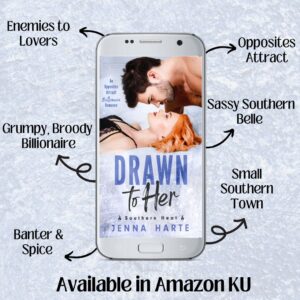 Tropes aren’t just craft tools. They’re marketing tools. Like a brand fulfills a promise of an experience, so too do tropes.
Include tropes in:
- Blurbs
- Ad copy
- Keywords
- Hashtags
- Reader-facing graphics
This helps the right readers find your book.
This isn’t about spoiling the story. It’s about setting expectations and attracting readers who will love what you’ve written.
Note that some bookish influencers are fussing about tropes in titles or subtitles. I can see that this shows a lack of creativity. There are too many books titled something like: The Billionaire’s Secret Child. That said, authors are doing this because it sells books. If you’re a reader who likes billionaire and secret child tropes, a title like Kincaid’s Secret doesn’t tell you much, whereas The Billionaire’s Secret Child tells it all. In fact, some readers will search Amazon by trope.
Common Misconceptions About Tropes
Let’s bust a few myths.
“Tropes are lazy writing.” Lazy writing is flat characters and weak motivation. Remember, tropes appear in all book genres, whether the author or marketing team points them out or not.
“All romance books are the same because of tropes.” Two writers can use the same trope and produce wildly different stories. The Hating Game by Sally Thorn and From Blood and Ash by Jennifer L. Armentrout are both enemies-to-lovers, but would never be considered the same.
“If I use tropes, my story won’t be original.” Originality comes from voice, character, setting, and emotional truth. Plus, chances are, even if you don’t start with tropes, you’ll end up with them.
“Avoiding tropes makes my work more literary.” Avoiding tropes usually makes marketing harder. Plus, even literature has tropes. Pride and Prejudice by Jane Austen has enemies-to-lovers, grumpy/sunshine, and billionaire (or the Regency period equivalent).
Tropes Don’t Limit You
Tropes are one of romance’s greatest strengths. They create a shared language between writers and readers. They’re a way to let readers know what to expect when they read your story.
You don’t have to write to market or chase every trend. You don’t have to write tropes you hate. You can choose tropes intentionally, shape them to your voice, and use them to build stories readers fall in love with.
Or don’t start with a trope at all. Simply write the story in your heart and notice what tropes emerge. Here’s a quick example: I want to write a piece for Paws and Peril, a romantic suspense anthology. I need to write a romance with suspense and a dog. I started with two characters: a National Park law enforcement agent and a travel blogger. But writing a short piece with two strangers having an HEA in 7,000 words or less is hard unless you go with insta-love, which I don’t want to do. So, I decided these two people should already know each other, but how? I could make them past lovers (second chance) or childhood friends (friends-to-lovers). In this case, I’m going with brother’s best friend, in which the brother is deceased, giving the couple a shared grief. Now instead of traveling to the area and meeting a stranger, my FMC is returning home. I could add she’s returning home to a mountain town (small town, mountain town). Note that I didn’t start out with these tropes. They’re evolving as I plot, and will be used when it comes time to pitch the story.
The point is, when used well, tropes don’t limit your creativity. They focus it.